
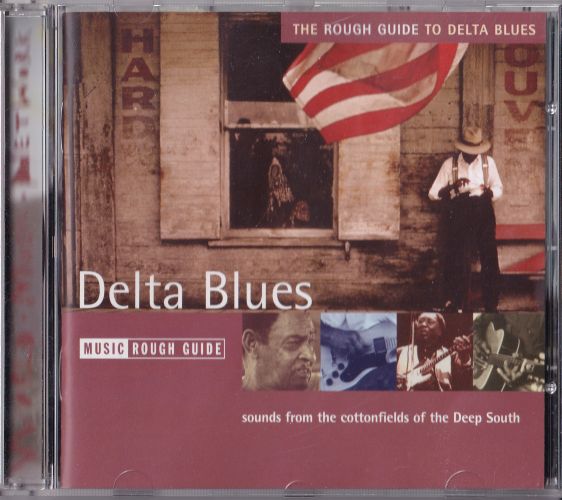
| 25 April 2002 | World Music Network / Music Rough Guides | RGNET 1087 CD |
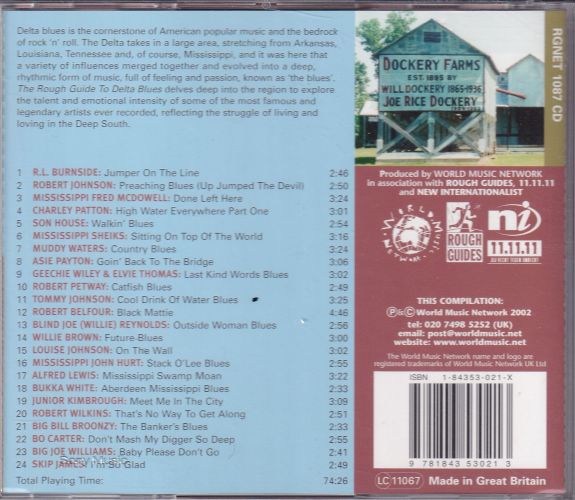
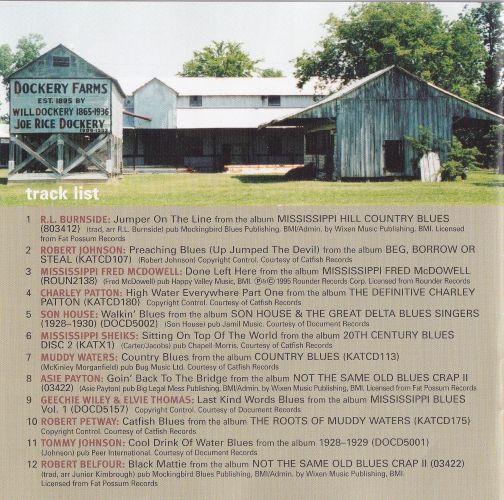
| 01. R.L. Burnside – Jumper On The Line 02. Robert Johnson – Preaching Blues (Up Jumped The Devil) 03. Mississippi Fred McDowell – Done Left Here 04. Charley Patton – High Water Everywhere Part One 05. Son House – Walkin’ Blues 06. Mississippi Sheiks – Sitting On The Top Of The World 07. Muddy Waters – Country Blues 08. Asie Payton – Goin’ Back To The Bridge 09. Geechie Wiley & Elvie Thomas – Last Kind Words Blues 10. Robert Petway – Catfish Blues 11. Tommy Johnson – Cool Drink Of Water Blues 12. Robert Belfour – Black Mattie 13. Blind Joe (Willie) Reynolds – Outside Woman Blues 14. Willie Brown – Future Blues 15. Louise Johnson – On The Wall 16. Mississippi John Hurt – Stack O’Lee Blues 17. Alfred Lewis – Mississippi Swamp Moan 18. Bukka White – Aberdeen Mississippi Blues 19. Junior Kimbrough – Meet Me In The City 20. Robert Wilkins – That’s No Way To Get Along 21. Big Bill Broonzy – The Banker’s Blues 22. Bo Carter – Don’t Mash My Digger So Deep 23. Big Joe Williams – Baby Please Don’t Go 24. Skip James – I’m So Glad |
 |
| VIEW: | |
| NOTES: | |
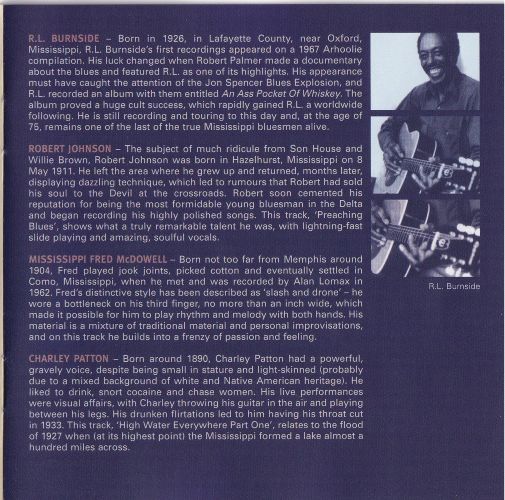
The Rough Guide To Delta Blues compilation CD including R.L. Burnside and sleeve notes referencing The Jon Spencer Blues Explosion.
|
|
| SONG CREDITS: | |
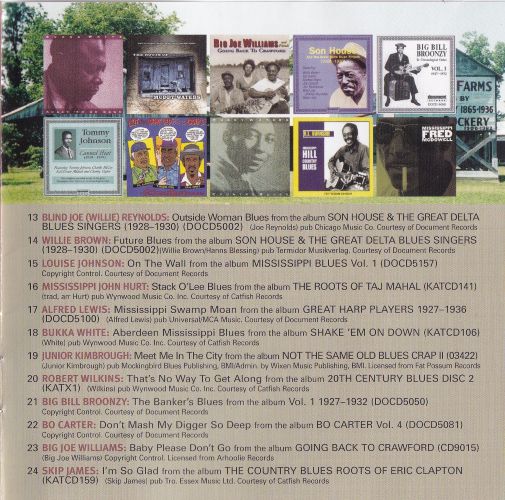
| Compiled By Johnathan Ogle Coordinator: Duncan Baker Mastered: Laurence Cedar Producer: Phil Stanton01. R.L. BURNSIDE: Jumper On The Line from the album MISSISSIPPI HILL COUNTRY BLUES (803412) (trad, arr R.L. Burnside) pub Mockingbird Blues Publishing, BMI/Admin. by Wixen Music Publishing, BMI. Licensed from Fat Possum Records 02. ROBERT JOHNSON: Preaching Blues (Up Jumped The Devil) from the album BEG, BORROW OR STEAL (KATCD107) (Robert Johnson) Copyright Control. Courtesy of Catfish Records 03. MISSISSIPPI FRED MCDOWELL: Done Left Here from the album MISSISSIPPI FRED MCDOWELL (ROUN2138) (Fred McDowell) pub Happy Valley Music, BMI. ℗&© 1995 Rounder Records Corp. Licensed from Rounder Records 04. CHARLEY PATTON: High Water Everywhere Part One from the album THE DEFINITIVE CHARLEY PATTON (KATCD180) Copyright Control. Courtesy of Catfish Records 05. SON HOUSE: Walkin’ Blues from the album SON HOUSE & THE GREAT DELTA BLUES SINGERS (1928-1930) (DOCD5002) (Son House) pub Jamil Music. Courtesy of Document Records 06. MISSISSIPPI SHEIKS: Sitting On Top Of The World from the album 20TH CENTURY BLUES DISC 2 (KATX1) (Carter/Jacobs) pub Chapell-Morris. Courtesy of Catfish Records 07. MUDDY WATERS: Country Blues from the album COUNTRY BLUES (KATCD113) 08. ASIE PAYTON: Goin’ Back To The Bridge from the album NOT THE SAME OLD BLUES CRAP II (03422) (Asie Payton) pub Big Legal Mess Publishing, BMI/Admin. by Wixen Music Publishing, BMI. Licensed from Fat Possum Records 09. GEECHIE WILEY & ELVIE THOMAS: Last Kind Words Blues from the album MISSISSIPPI BLUES Vol. 1 (DOCD5157) Copyright Control. Courtesy of Document Records 10. ROBERT PETWAY: Catfish Blues from the album THE ROOTS OF MUDDY WATERS (KATCD175) Copyright Control. Courtesy of Catfish Records 11. TOMMY JOHNSON: Cool Drink Of Water Blues from the album 1928-1929 (DOCD5001) (Johnson) pub Peer International. Courtesy of Document Records 12. ROBERT BELFOUR: Black Mattie from the album NOT THE SAME OLD BLUES CRAP II (03422) (trad, arr Junior Kimbrough) pub Mockingbird Blues Publishing, BMI/Admin. by Wixen Music Publishing, BMI. Licensed from Fat Possum Records 13. BLIND JOE (WILLIE) REYNOLDS: Outside Woman Blues from the album SON HOUSE & THE GREAT DELTA BLUES SINGERS (1928-1930) (DOCD5002) (Joe Reynolds) pub Chicago Music Co. Courtesy of Document Records 14. WILLIE BROWN: Future Blues from the album SON HOUSE & THE GREAT DELTA BLUES SINGERS (1928-1930) (DOCD5002)(Willie Brown/Hanns Blessing) pub Termidor Musikverlag. Courtesy of Document Records 15. LOUISE JOHNSON: On The Wall from the album MISSISSIPPI BLUES Vol. 1 (DOCD5157) Copyright Control. Courtesy of Document Records 16. MISSISSIPPI JOHN HURT: Stack O’Lee Blues from the album THE ROOTS OF TAJ MAHAL (KATCD141) (trad, arr Hurt) pub Wynwood Music Co. Inc. Courtesy of Catfish Records 17. ALFRED LEWIS: Mississippi Swamp Moan from the album GREAT HARP PLAYERS 1927–1936 (DOCD5100) (Alfred Lewis) pub Universal/MCA Music. Courtesy of Document Records 18. BUKKA WHITE: Aberdeen Mississippi Blues from the album SHAKE ‘EM ON DOWN (KATCD106) (White) pub Wynwood Music Co. Inc. Courtesy of Catfish Records 19. JUNIOR KIMBROUGH: Meet Me In The City from the album NOT THE SAME OLD BLUES CRAP II (03422) (Junior Kimbrough) pub Mockingbird Blues Publishing, BMI/Admin. by Wixen Music Publishing, BMI. Licensed from Fat Possum Records 20. ROBERT WILKINS: That’s No Way To Get Along from the album 20TH CENTURY BLUES DISC 2 (KATX1) (Wilkins) pub Wynwood Music Co. Inc. Courtesy of Catfish Records 21. BIG BILL BROONZY: The Banker’s Blues from the album Vol. 1 1927-1932 (DOCD5050) Copyright Control. Courtesy of Document Records 22. BO CARTER: Don’t Mash My Digger So Deep from the album BO CARTER Vol. 4 (DOCD5081) Copyright Control. Courtesy of Document Records 23. BIG JOE WILLIAMS: Baby Please Don’t Go from the album GOING BACK TO CRAWFORD (CD9015) (Big Joe Williams) Copyright Control. Licensed from Arhoolie Records 24. SKIP JAMES: I’m So Glad from the album THE COUNTRY BLUES ROOTS OF ERIC CLAPTON (KATCD159) (Skip James) pub Tro. Essex Music Ltd. Courtesy of Catfish Records |
|
| SLEEVE NOTES: | |
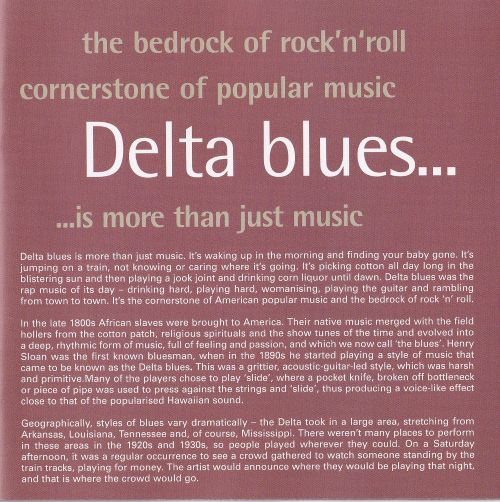
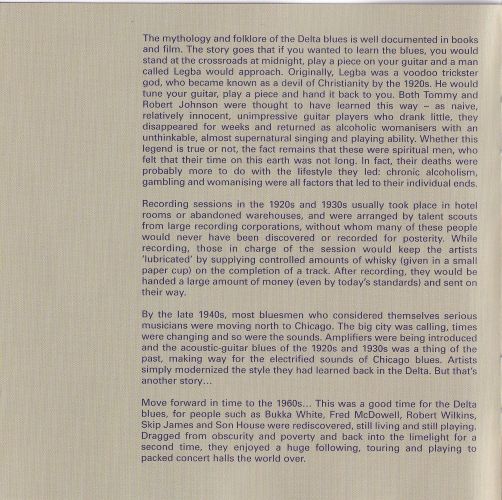
[includes notes on each artist, introduction and R.L. Burnside sections shown in images.]Intro:
R.L. Burnside Notes
|
|
| DETAILS: | |
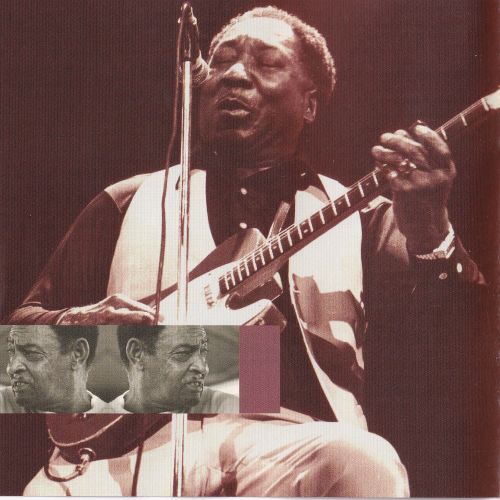
| ARTWORK: Artwork / Design: Impetus / Justin Champney Liner Notes: Johnathan Ogle Photography: [Pages 2, 6, 7]: Graeme Ewens Photography: [Pages 2, 8, 9]: Dave Peabody Photography: [Back Cover Image]: Richard Havers Photography: [CD Tray Inner Image]: Graeme Ewens Photography: [Front Cover Image]: Randy BARCODE: 9 781843 53021 3 MATRIX: “02 [Sonopress Logo] RGNET1087CD 02” |
|
 Current Tour Dates:












![Boss Hog - Drinkin', Lechin' & Lyin' [2016] (LP, US)](http://www.pop-catastrophe.co.uk/wp-content/uploads/2016/04/bh-DLL-640-150x150.jpg)